COLLECTED LIGHT · ORIGINAL STORY
Seongyojang: The Bridge Is Gone, but Home Remains
Most people visit Gangneung for the East Sea.
Or the cafés.
Or BTS filming locations.
Or the beach from Goblin.
The place that made me stop, however, was an old estate that many visitors never even hear about.
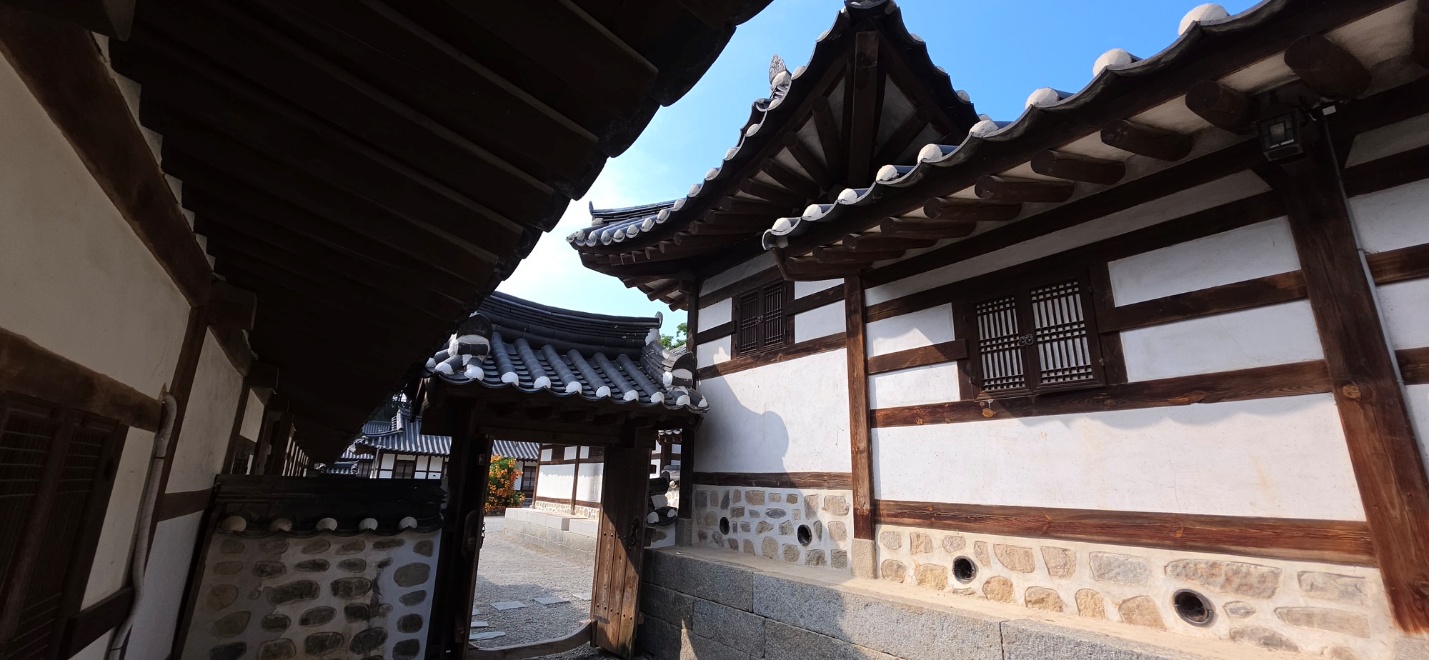
It's called Seongyojang.
Three hundred years ago, it wasn't called that at all.
Back then, Gyeongpo Lake stretched much farther inland, reaching almost to the front gate of the estate. There was no road home. Instead, people tied together more than a dozen wooden boats to form a floating bridge, crossing the gently rocking water each day.
Over time, the lake gradually receded.
The boats disappeared.
The bridge disappeared.
Only the name remained—Seongyojang, literally "the estate of the boat bridge"—preserving the memory of a lake that no longer exists.
The owner of the estate was a man named Yi Naebeon.
History has surprisingly little to say about him.
He wasn't a celebrated general.
He didn't leave behind famous writings.
Official records simply note that he built a residence in Gangneung.
Local legend, however, tells a different story.
While searching for land to build his home, Yi supposedly noticed a family of weasels quietly making their way through the woods.
He followed them until they stopped beside Gyeongpo Lake.
The wind settled.
The weasels stopped moving.
Looking across the pine forest, the lake, and the distant mountains, he simply said,
"This is the place."
Whether the story is true hardly matters.
Many old houses survive this way.
History preserves facts.
Stories preserve warmth.
Inside Seongyojang, my favorite place wasn't the grand main hall.
It was a modest little pavilion called Yeolhwadang.
The name simply means "a place for joyful conversation."
Nothing grand.
Nothing philosophical.
The owner didn't build it for politics or scholarship.
He built it so friends could drink tea, play chess, watch the snow fall, and let an ordinary afternoon unfold slowly.
Standing there, I realized the people who lived centuries ago may have understood homes better than we do.
A house isn't simply somewhere that keeps out the wind and rain.
It's somewhere people want to return to.
Over the next three centuries, kingdoms fell.
Japanese occupation came and went.
War arrived.
Gyeongpo Lake continued shrinking.
Yet Seongyojang remained.
Ten generations of the same family have lived beneath the same roofs.
Children were born here.
Elders spent their final days here.
The kitchen fires have never truly gone out.
When I left, the evening sun was sinking over Gyeongpo Lake.
The courtyard was almost silent, save for the wind moving gently through the pine trees.
At that moment, I realized that what truly survives time isn't carved beams or beautiful architecture.
It's ordinary life.
The bridge is gone.
The lake has grown smaller.
The dynasty has long since disappeared.
Yet someone still opens this gate every morning and lives beneath the same roof.
Perhaps that's what makes a house legendary.
Not the amount of history it has witnessed—
but the simple fact that, no matter how much the world changes,
someone still calls it home.