COLLECTED LIGHT · ORIGINAL STORY
250 Years: The Greatest Achievement Isn't Never Making Mistakes
In Chinese, the number 250 has an unfortunate meaning.
It roughly describes someone who's foolish or hopelessly naïve.
And yet this year, the United States turned 250 years old.
While reading about American history, I came across an extraordinary coincidence.
Three U.S. presidents died on Independence Day.
Even more remarkably, Thomas Jefferson and John Adams—two principal authors of the Declaration of Independence—both died on July 4, 1826, exactly fifty years after the nation was born.
Sometimes history writes better stories than Hollywood.
Over the past 250 years, America has produced extraordinary presidents.
It has also produced deeply controversial ones.
Almost every generation eventually asks the same question:
"Is this president really the best we could do?"
The older I get, however, the more I think a country's greatest strength isn't its ability to always elect exceptional leaders.
It's its ability to survive electing imperfect ones.
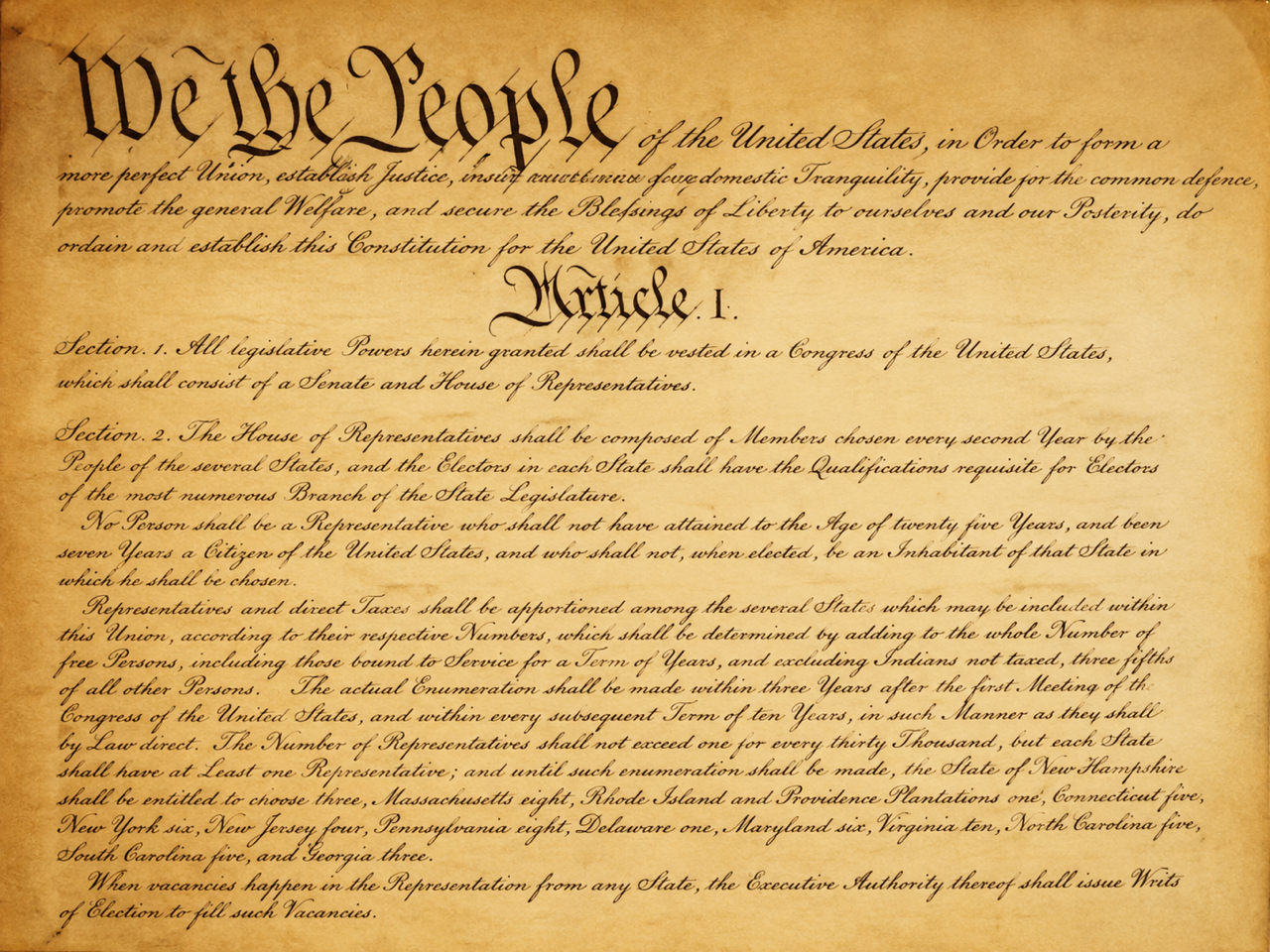
The Constitution endures.
Presidents come and go.
A mature system isn't one that guarantees perfect decisions.
It's one designed so that no single individual can determine the destiny of an entire nation—and so that mistakes, inevitable as they are, can still be corrected.
That thought eventually led me to AI.
For more than two centuries, humanity has pursued greater productivity.
Artificial intelligence may be the first technology capable of increasing it by an entirely different order of magnitude.
But if AI ultimately produces nothing more than larger market capitalizations for a handful of companies and greater wealth for an even smaller group of people, then it will simply represent the next stage of capitalism.
I hope for something more ambitious.
I hope the productivity created by AI doesn't end as concentrated wealth.
I hope it becomes shared time.
A four-day workweek.
Maybe even three.
More time for family.
For learning.
For creating.
For traveling.
Or simply for doing nothing at all.
The true purpose of technology shouldn't be making people busier.
It should be giving people the freedom not to be busy all the time.
Two hundred and fifty years ago, people fought for political freedom.
Two hundred and fifty years later, I hope AI can help deliver another kind of freedom—
the freedom to own more of our time.
Because the true measure of a successful society isn't how many trillion-dollar companies it creates.
It's whether ordinary people gain more time to live lives that actually belong to them.