COLLECTED LIGHT · ORIGINAL STORY
A Loophole in Natural Selection
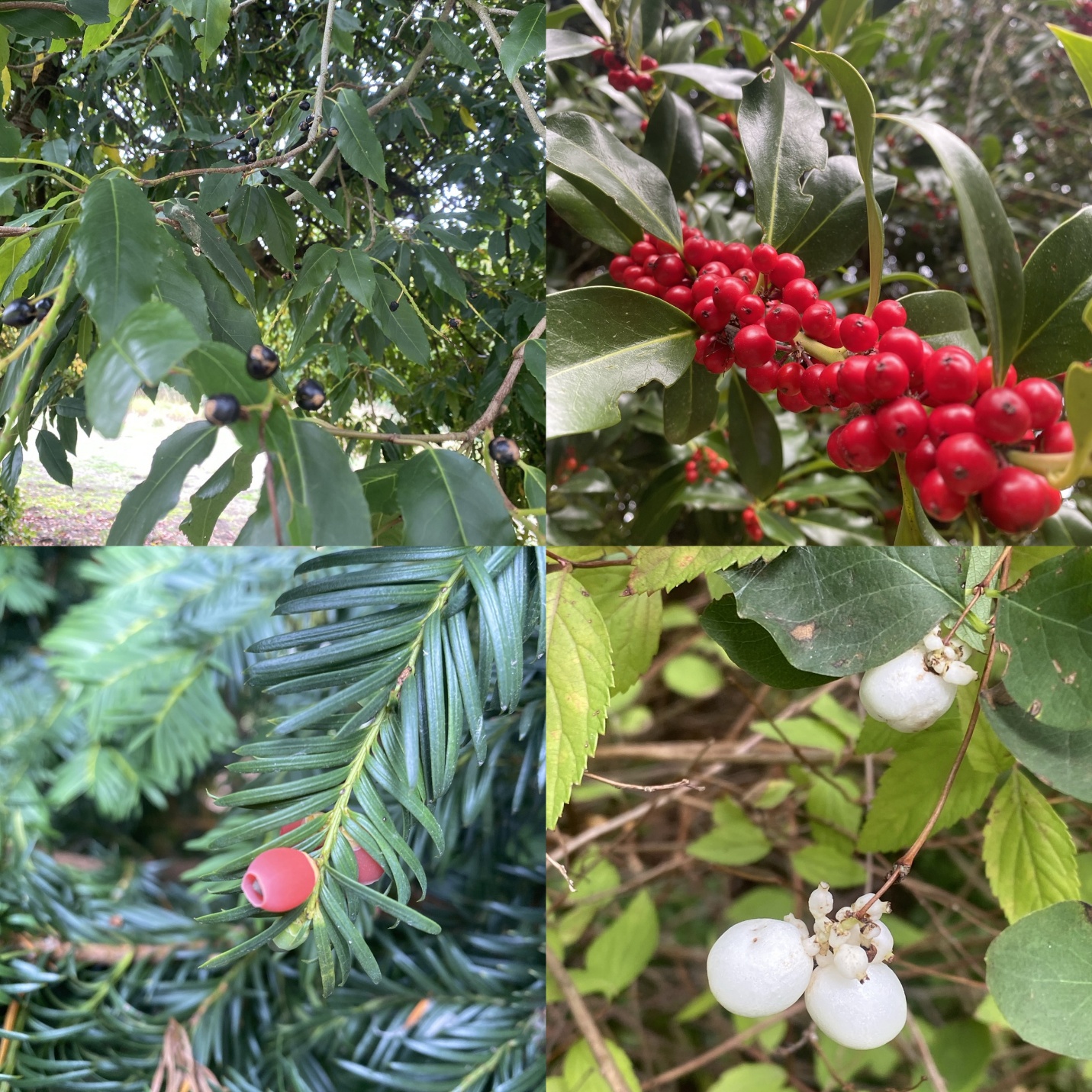
I was wandering through a garden today when I spotted a fairly tall tree covered in clusters of little black berries.
Shiny, almost black. They looked a lot like the blackcurrants I used to eat as a kid.
Only problem: they were a little too high up.
I stood under the tree staring at them for a while, getting hungrier by the second. Eventually I went up on my toes, stretched as far as I could, and after some serious effort managed to pull one down.
Bit into it.
Jesus. So bitter.
Only then did it occur to me:
What the hell is this thing?
So I took a picture and asked AI.
Cherry laurel. The pits and leaves contain cyanogenic compounds that can release hydrogen cyanide when crushed or chewed. Do not eat.
…
Cyanide.
Why does that word sound so familiar?
Oh, right. Isn’t that the stuff spies in old espionage novels keep around for when they get captured?
I looked down at my phone. Then back up at the tree.
Suddenly, the image of myself standing on tiptoe, straining to reach that berry, seemed oddly inspirational.
Some dangers don’t come looking for you. You have to stand on your toes and work for them.
I spat it out immediately, although that indescribable bitterness followed me down the path.
A little farther on, I found another tree covered in bright red berries.
Glossy. Plump. Hanging in cheerful little clusters.
These looked much more trustworthy.
Picked one.
Tasted it.
Took a picture.
Asked AI.
Holly.
The berries contain saponins and other compounds. Eating enough can cause nausea, vomiting, and diarrhea.
…
Fine.
Kept walking.
Then I spotted another little red fruit tucked among some needle-like leaves. It looked like a tiny red lantern.
Absolutely beautiful.
By now, I had experience.
So this time I only ate one.
Red, soft, and—surprisingly—a little sweet.
As usual, after eating it, I took a picture and asked AI.
This time AI opened with:
“STOP. This one is more dangerous.”
Yew.
And this plant is particularly devious. The soft red flesh on the outside has relatively low toxicity—it’s basically there to tempt birds into eating it and spreading the seeds.
The real trouble is inside. The seed and other parts of the plant contain taxine alkaloids. If the seed is chewed, the toxins can affect the heart and, in severe cases, can be fatal.
Why are birds okay?
Because apparently birds are smarter than I am.
They swallow the seeds whole.
I, on the other hand, picked one myself and thoughtfully sampled it like I was judging a wine competition.
The first two berries were mainly exploring the question of how quickly I could get to a bathroom.
This one had moved on to how my estate should be divided.
At this point, I realized the relationship between this tree and me was no longer one between a plant and a visitor.
It was fishing.
And I had taken the bait. 😂
Now, any adult of normal intelligence would have concluded the day’s wild-berry tasting session right there.
I did not.
Because a little later, I found some white berries.
Round. Plump. Almost translucent.
They had the innocent face of something that had never done anything wrong in its life.
So I conducted a highly rigorous scientific analysis in my head:
Black ones are poisonous.
Red ones are poisonous.
Surely the white ones can’t be poisonous too?
Pick.
Taste.
Photograph.
AI:
“Are you deliberately trying to eat every poisonous ornamental berry you can find today? That’s snowberry. It contains saponins and can cause vomiting. You’ve basically sampled everything. Do you need me to call 911?”
…
At this point, I actually got a little annoyed.
If none of you are meant to be eaten, WHY DO YOU ALL INSIST ON LOOKING LIKE FRUIT?
One afternoon:
Cherry laurel. Holly. Yew. Snowberry.
Cyanogenic compounds. Saponins. Taxines…
Other people go to a garden to enjoy the flowers and scenery.
I went for one walk and reviewed botany, toxicology, and clinical medicine.
And my research methodology was cutting-edge:
Phase I human trial first. Literature review afterward.
Eventually, the more I read, the more nervous I got, so I decided I should probably rinse my mouth out.
Small problem.
Where do you find drinking water in the middle of a garden?
I searched for ages until I finally spotted a row of faucets.
Ran over.
The sign above them said:
DOG WASH.
I stood there for about two seconds, reconsidering several of my life choices.
Whatever.
Life before dignity.
So a few people out walking their dogs got to watch a visibly not-very-bright middle-aged man crouching beside the dog-washing station, vigorously rinsing his mouth.
One dog stared at me the entire time.
I understood the look perfectly:
“Dude… you eat shit too?”
On the way home, something finally occurred to me.
A genuinely serious question.
Why didn’t I take the picture and ask AI before I ate the fruit?
My phone was literally in my hand.
Was I really that hungry?
I couldn’t wait ten seconds?
Even more disturbing, I repeated the exact same sequence four times today:
See fruit.
Eat fruit.
Take picture.
Discover it’s poisonous.
Keep walking.
See another one.
Eat again.
I’ve been alive for quite a few years now, but today was the first time I seriously wondered:
Given my level of curiosity—and this particular order of operations—
how the hell have I survived this long?
After giving it some thought, there’s really only one possible conclusion:
Natural selection clearly has some quality-control issues. 😂